A flatter abdomen is not always a matter of exercise discipline or weight loss. Pregnancy, significant weight changes, aging, and prior abdominal surgery can leave behind loose skin, separated abdominal muscles, or contours that no training plan can fully address. A tummy tuck, medically known as abdominoplasty, is designed for these structural concerns – not as a shortcut for weight loss, but as a surgical approach to restoring a firmer, more balanced abdominal profile.
For patients considering surgery abroad, the decision involves more than before-and-after photographs. The surgeon’s credentials, the hospital environment, the quality of preoperative planning, and the continuity of follow-up all influence both the experience and the result.
What a Tummy Tuck Can Actually Address
Abdominoplasty reshapes the midsection by removing excess skin and, when indicated, tightening the connective tissue that supports the abdominal wall. This muscle separation, often called diastasis recti, is particularly common after pregnancy. It may create a persistent lower-abdominal projection even in patients who are otherwise active and near a stable weight.
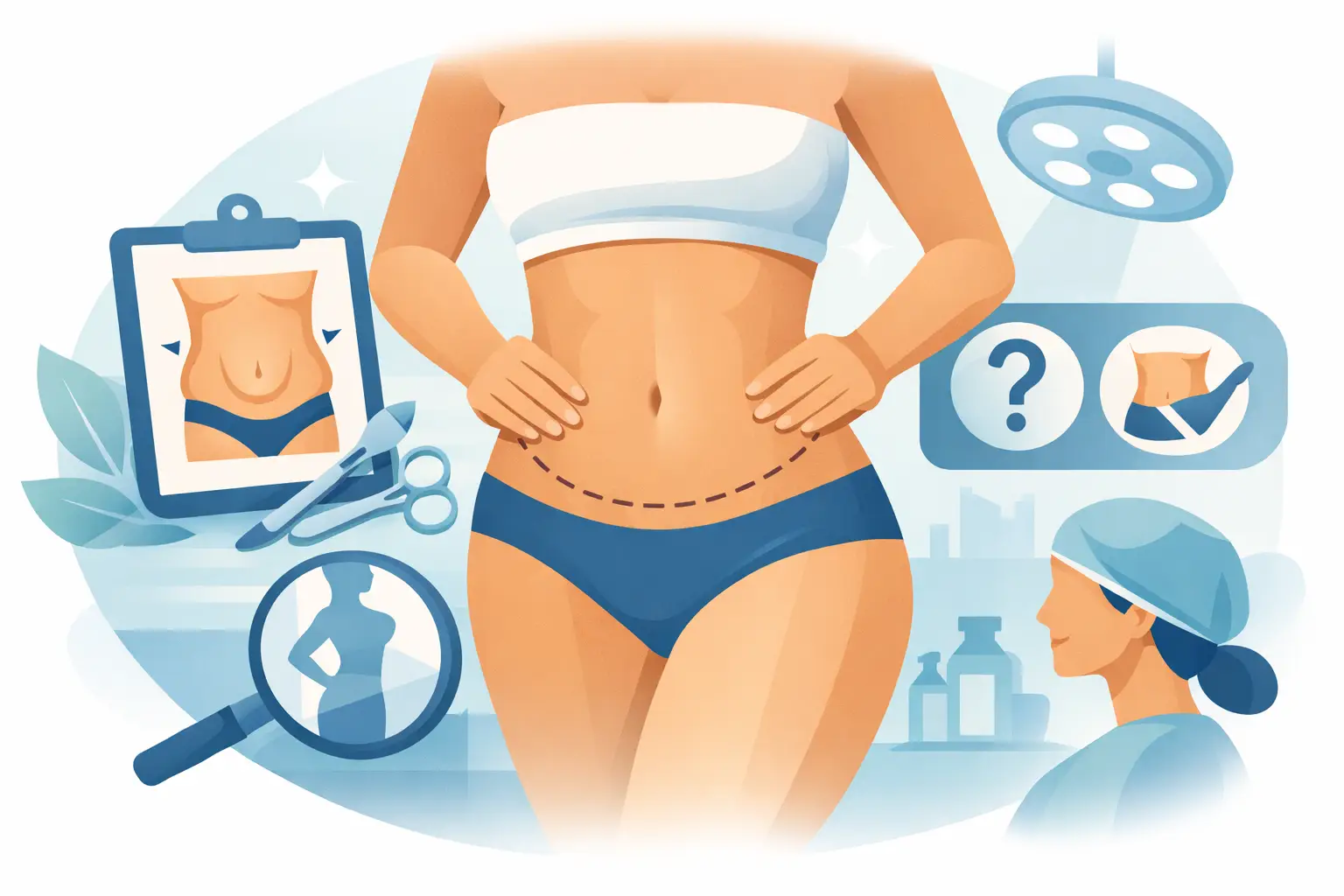
During a full tummy tuck, the surgeon typically makes a low incision positioned to remain discreet beneath most underwear and swimwear. Excess skin is removed, the abdominal wall may be repaired, and the navel is carefully repositioned to preserve a natural appearance. The goal is not an artificially tight abdomen. It is proportion, definition, and a contour that suits the patient’s frame.
A tummy tuck may also improve skin laxity after substantial weight loss, reduce the overhang of lower abdominal skin, and address some scar-related contour irregularities from previous procedures. It does not remove internal visceral fat, replace a healthy lifestyle, or guarantee that future weight fluctuations will not affect the result.
Choosing the Right Type of Abdominoplasty
Not every patient needs the same operation. A precise consultation is essential because the position of loose skin, the degree of muscle separation, the amount of fat, and the quality of skin elasticity determine the surgical plan.
Mini Tummy Tuck
A mini tummy tuck is generally suited to patients with a limited amount of loose skin below the navel and little or no need for extensive muscle repair. The incision is shorter, and recovery can be somewhat more straightforward. However, it cannot adequately correct significant upper-abdominal laxity or a pronounced separation of the abdominal wall.
Full Tummy Tuck
A full abdominoplasty addresses the entire abdomen, including skin redundancy above and below the navel. It is often the preferred option after pregnancy or major weight loss, particularly when muscle repair is needed. The trade-off is a longer incision and a more involved recovery period, both of which should be considered openly before surgery.
Extended Procedures and Body Contouring
For patients with laxity that continues toward the hips or lower back, an extended tummy tuck may offer a more comprehensive contour. In selected cases, abdominal surgery can also be planned with liposuction to refine the waist, flanks, or upper abdomen. Combining procedures can be appropriate, but safety comes first. Operative time, health history, blood-loss considerations, and recovery demands must guide the decision rather than the desire to do everything at once.
Who Is a Strong Candidate?
The best candidates are typically in good general health, at a stable weight, and realistic about the surgical process. They have excess abdominal skin, abdominal wall laxity, or both, and understand that a scar is part of the exchange for a more refined contour.
Patients who plan a future pregnancy may choose to postpone surgery, especially if muscle repair is anticipated. A later pregnancy can stretch the repaired abdominal wall and alter the aesthetic result. Similarly, patients actively losing a substantial amount of weight are usually advised to wait until their weight has stabilized.
Smoking and nicotine use require particular attention because they can compromise blood supply to the skin and significantly raise healing risks. Your surgeon will also review prior surgeries, medications, medical conditions, and any history of clotting problems. Premium surgical care begins with recognizing when a procedure should be delayed, modified, or declined.
The Details That Shape a Natural Result
A beautiful result is not defined by tightness alone. The most sophisticated outcomes preserve the natural transition from the ribs to the waist and lower abdomen, respect the patient’s anatomy, and place the scar strategically. Navel design is another detail that separates a merely acceptable result from one that appears balanced and believable.
Patients should be cautious about choosing a surgeon based on a single dramatic image. Ask to see results from patients with a similar body type, skin quality, and surgical starting point. Discuss where the scar is likely to sit, whether muscle repair is planned, and what can realistically be improved.
Clear communication matters just as much for international patients. A consultation should establish the desired result, identify limitations, and create a plan for travel, recovery, and postoperative monitoring. No ethical surgeon should promise perfection or an outcome that ignores the realities of healing.
Recovery Requires Planning, Not Guesswork
A tummy tuck is a meaningful operation, and recovery deserves protected time. Most patients need help at home during the first days and should expect to walk slightly bent at the waist initially to avoid tension on the incision. Early movement is encouraged under the surgical team’s instructions because it supports circulation, but strenuous activity must wait.
Swelling, tightness, temporary numbness, and fatigue are common in the early phase. Compression garments may be recommended to support the healing tissues and help manage swelling. Drains may be used in some cases, while other techniques may avoid them. The right approach depends on the surgical plan and the surgeon’s judgment.
Many patients can return to light daily activities within roughly two weeks, although timing varies. Desk work may be possible earlier for some, while exercise, heavy lifting, and core training typically require several weeks of restriction. Final contour refinement is gradual. Swelling can continue to settle for months, and scars mature over a much longer period.
For medical tourism patients, recovery logistics should be discussed before booking travel. Plan for adequate local recovery time, postoperative appointments, comfortable accommodations, and clear instructions for the journey home. Long-haul flights, mobility, compression, and clot-prevention protocols should be coordinated with the surgical team rather than treated as afterthoughts.
Safety Is Part of the Aesthetic Standard
An abdominoplasty should be performed in an appropriately equipped hospital or accredited surgical setting with qualified anesthesia care and established emergency protocols. This is especially relevant when surgery is paired with liposuction or other body-contouring procedures.
At Dr. Hebert Lamblet American Hospitals, Brazilian expertise is combined with a modern hospital setting in Tirana, Albania, designed around European standards of patient care, technology, and clinical oversight. For international patients, this model offers a more considered experience: surgical planning, hospital-based treatment, and coordinated recovery within one destination.
Safety also depends on patient participation. Follow preoperative instructions carefully, disclose all medications and supplements, maintain the recommended activity limits, and attend every scheduled follow-up. Contact the surgical team promptly if you develop increasing pain, fever, sudden swelling, shortness of breath, wound concerns, or any symptom that feels unusual.
Questions Worth Asking Before You Commit
A consultation should leave you more informed, not simply more enthusiastic. Ask who will perform each part of the procedure, where the operation will take place, how muscle repair and scar placement will be handled, and what the realistic recovery timeline looks like for your lifestyle.
You should also understand the total care plan: anesthesia, garments, medications, postoperative visits, and support if you are traveling internationally. A premium experience is defined by clarity and preparation as much as by the operating room itself.
The right time for a tummy tuck is when your weight is stable, your expectations are well informed, and you can give recovery the attention it requires. A thoughtful consultation with an experienced plastic surgeon can turn a broad aesthetic goal into a plan built around your anatomy, safety, and long-term confidence.